
Beyond soccer and samba: 5 Brazilian products awarded abroad

Updated: Oct 2
When people think of Brazil, beaches, soccer, Carnival, and music often come to mind. Yet, the country also boasts a range of flavors capable of impressing even the most discerning palates worldwide. From north to south, Brazilian producers transform ingredients, techniques, and traditions into products recognized among the best in the world

This is because Brazil is a vast and diverse country. Each region has its own climate, culture, ingredients, and methods of producing food and beverages. The result is seen in creative recipes, meticulous techniques, and products that embody a bit of the Brazilian identity. Shall we take a look at some of them?
1. Award-winning cheeses: tradition with creativity

Cheese is part of the daily lives of Brazilians. It appears at breakfast, in "pão de queijo" (cheese bread), and in sandwiches, salads, desserts, and—of course—in the famous pairing with guava paste. In many regions, cheese production is a family tradition passed down from generation to generation.
In Brazil, cheeses are made using various types of milk and aging techniques. Minas Gerais is particularly renowned for its artisanal cheeses, but other states are also gaining recognition for the quality and creativity of their producers.
Proof of this was seen at the 7th edition of the Mondial du Fromage et des Produits Laitiers, held in France in September 2025. The competition brought together representatives from 26 countries and over 1,900 cheeses for evaluation. Brazil returned home with 58 medals: 10 gold, 18 silver, and 30 bronze. The awards went to producers from São Paulo, Paraná, Minas Gerais, Rio de Janeiro, Mato Grosso, Amazonas, and Bahia.
Among the highlights is Dom Silvania cheese, produced by Estância Silvania in Caçapava, in the interior of São Paulo state. It is aged with ginger and annatto and finished with a beeswax rind—a combination that results in a highly distinctive product.
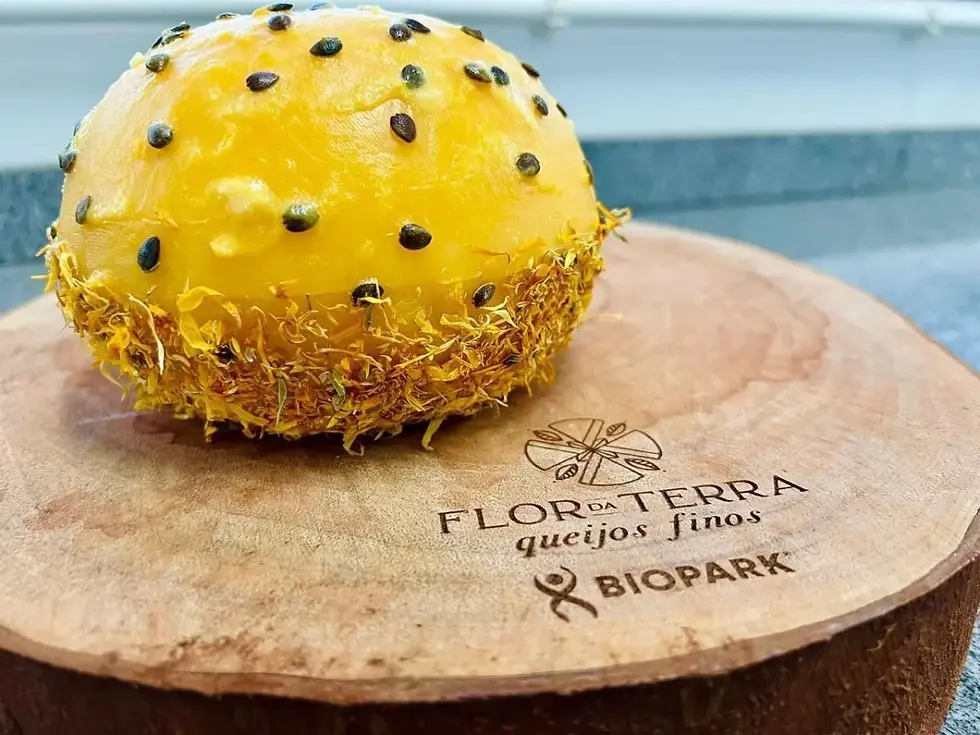
Another cheese that drew attention was Passionata, from Paraná. Made from semi-cooked cow's milk curd, it undergoes a maturation period ranging from 30 days to three months and features notes of passion fruit. In fact, Passionata has previously ranked among the top ten cheeses in the world at the prestigious World Cheese Awards.
These results demonstrate that Brazilian cheese is not defined solely by tradition; it also reinvents itself through local ingredients, meticulous techniques, and plenty of personality!
2. Brazilian coffee: a global passion

In Brazil, coffee is much more than just a hot drink to start the day. “Having a coffee” can mean chatting with a friend, hosting a visitor, taking a break from work, or simply catching up. Often, coffee is a way to socialize.
The country is the world's largest coffee producer and boasts diverse producing regions, each with its own distinct climate, altitude, and soil characteristics. In recent years, Brazilian specialty coffees have been gaining even more ground internationally.
One of the major highlights is Orfeu Specialty Coffees, produced in southern Minas Gerais. In April 2026, the brand received the lifetime title of "Legend of Excellence," awarded by the Alliance for Coffee Excellence, the organization responsible for the prestigious Cup of Excellence competition.
The title is considered the highest honor in specialty coffee farming and serves as a sort of "Oscar" for premium coffees. It recognizes producers and brands that demonstrate exceptional quality and consistency over time.
Thus, that cup of coffee Brazilians enjoy can also be a sophisticated, internationally recognized experience. Whether brewed at home, served in a coffee shop, or savored by experts, coffee remains one of the most delicious ways for Brazil to present itself to the world.
3. Brazilian chocolates that are conquering the world

Brazilians, in general, love chocolate. It shows up at birthdays, parties, and in desserts and gifts—as well as in those moments when all a person needs is a sweet little square to brighten their day. But Brazilian chocolate isn't just a hit with consumers; it has also been winning awards abroad.
At the International Chocolate Awards held last August, Brazil won 32 medals: two gold, 13 silver, and 17 bronze. The two gold medals were awarded to the Minas Gerais-based company Cacau Dourado.

Among the award-winning recipes are a blend of 70% cocoa chocolate and cupuaçu—a Brazilian fruit—and a caramelized white chocolate with coconut. For chocolate lovers, it is hard not to be intrigued by these combinations.
The award-winning products also blended domestic cocoa with key ingredients from Brazilian biodiversity, such as açaí and cupuaçu—fruits native to the Amazon—as well as baru (typical of the Central-West region), coffee, and Canastra cheese, one of the symbols of artisanal production in Minas Gerais.
This combination of cacao and regional ingredients creates chocolates with surprising flavors and a unique identity. After all, when chocolate meets Brazilian diversity, the result is bound to be excellent!
4. Brazilian olive oils: a pleasant surprise

Many people still do not associate Brazil with olive oil production. However, this notion no longer reflects reality. Although the country is not traditionally known as a major producer, Brazilian regions—particularly in the South and in Minas Gerais—have been developing high-quality extra virgin olive oils.
Olive oil production depends on various factors, such as climate, soil type, olive tree varieties, and care taken during olive processing. In Brazil, many producers invest in modern techniques, careful harvesting, and rapid extraction to preserve aromas and flavors. And the results of this rigorous work have been reflected in recent international awards.
At the OLIVINUS competition held in Mendoza, Argentina, the Carcará Blend extra virgin olive oil—produced in southern Minas Gerais—received a score of 98 out of 100. It was named the best Brazilian olive oil in the competition and ranked among the top 20 olive oils worldwide. Furthermore, it won the Gran Prestígio Oro medal, one of the competition's highest honors.
In Spain, Mantikir olive oil—produced by Vinícola Essenza, also based in Minas Gerais—won two gold medals at the International Extra Virgin Olive Oil Competition (CINVE). Held annually, the event brings together nearly a thousand samples from various countries and evaluates aspects such as aroma, flavor, balance, and sensory quality. This award places the Brazilian olive oil on equal footing with products from regions traditionally renowned for olive growing.
And the good news continues. At the European International Olive Oil Competition (EIOOC) held in Geneva, Switzerland, the Frantoio olive oil from Viamão, Rio Grande do Sul, received a perfect score: 100 out of 100. This result was considered unprecedented, as every judge awarded the product the maximum score.
The evaluation highlighted the olive oil's high sensory quality, including its aroma, flavor, and balance. These awards demonstrate that olive trees have found a promising home on Brazilian soil.
5. A striking cachaça

Cachaça is one of Brazil's best-known spirits and the key ingredient in the caipirinha. It is produced through the fermentation and distillation of sugarcane juice. Its history dates back to the colonial era, when production began in the country and it became an important part of Brazilian culture.
Over time, cachaça evolved from being viewed merely as a popular drink to gaining recognition for its quality, diverse styles, and aging processes. Today, there are unaged (white) varieties as well as those aged in different types of wood, all produced across various regions of the country.
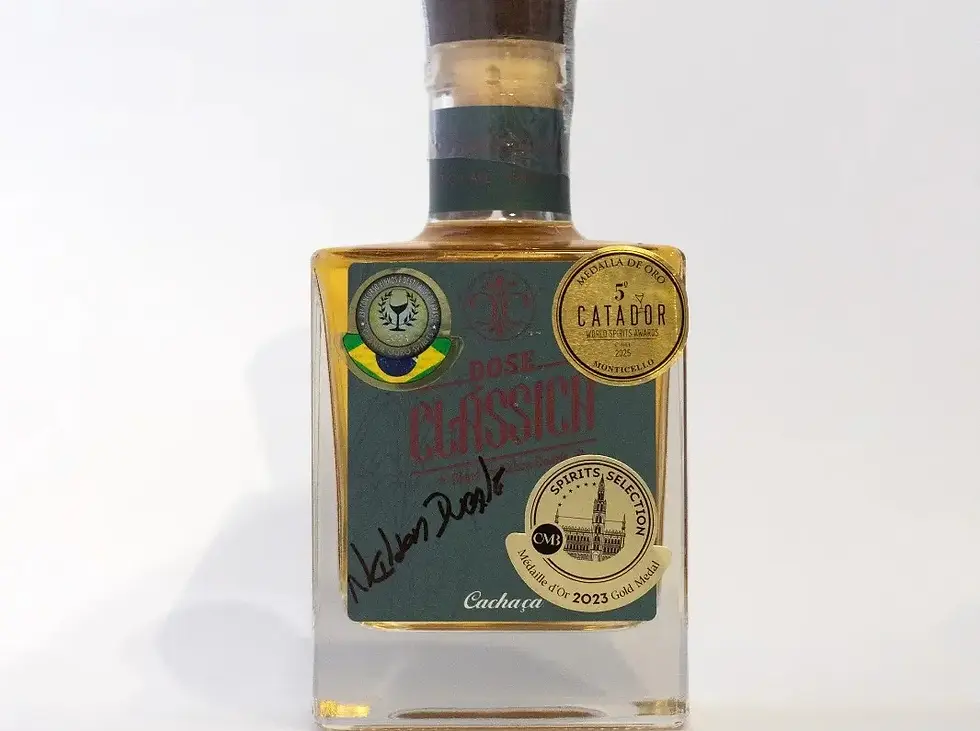
Dose Clássica, from Espírito Santo, is an example of a Brazilian spirit that has transcended borders. Having previously won the top Double Gold award at the Concours Mondial de Bruxelles, Dose Clássica “Blend Nº 2 Nelson Duarte” secured the gold medal at the World Drinks Awards 2026, held in London, England.
Furthermore, the spirit was awarded the title of World’s Best Cachaça. The event evaluates spirits and beers from various countries and features a panel of expert judges responsible for conducting careful and highly rigorous tastings. In their assessment, Dose Clássica stands out for its balance, with herbal, woody and spicy notes.
The award confirms that cachaça can hold a prominent place among the world's great spirits. And, let’s face it, few drinks capture the Brazilian spirit quite so well: laid-back, creative, steeped in history, and perfect for good conversation.
The flavor of our essence

Whether it is cheese, coffee, chocolate, olive oil, or cachaça, these products showcase different facets of the country. Some embody age-old traditions, while others embrace innovation. That is why—beyond being products of the highest quality—each of these flavors tells a story about our people, our land, and our creativity.
A toast to Brazil!

About the author
I'm Audrey Lyra a Portuguese teacher for foreigners with over ten years of experience, and the creator of this blog. My purpose is to connect you to the language and culture of Brazil, making your learning journey easier.


